
80 Years of Christeyns: Looking Back and Moving Forward with CEO Alain Bostoen

New challenges in hygiene, ready for the bends in the road
Hygiene plays a key role in food production processes and in many cases can be considered as an integral part of them. In some industries, such as the meat industry, cleaning and disinfection operations can take up to a third of the working day. Thus, it can be understood that the current situation of change, […]

What you need to know about polyquaterniums stains
Polyquaternium stains are a persistent issue for commercial laundries. The culprit is a conditoning ingredient called polyquaternium-7. This polymer sticks to fabrics and causes non-removable dark stains. As a result, laundries face the cost of frequent textile replacement costs. This blog post’s aim is to help understand and address this issue, and find effective ways […]

Sunscreen stains, one of the hidden costs in laundries
Sunscreen is essential in protecting the skin from the harmful rays of summer. Unfortunately, most sunscreens tend to cause yellow-orange stains on textile, which are difficult to remove. As a result, normal washing cycles are no longer effective and laundries are confronted with a high percentage of rewash and a significant increase in processing costs. […]

Listeria and Listerioris in the food industry under scrutiny
One of the most serious food-borne diseases in the EU due to its high morbidity and mortality is Listeriosis. According to EFSA, Listeriosis is the fifth most reported human zoonosis in the EU. In 2021 it rebounded by 14% compared to the previous year, reaching the highest reporting rate since records have been kept. During […]

Cut energy costs through heat recovery
Waste heat recovery is a significant opportunity for laundries to improve efficiency and reduce energy bills. Many commercial laundries are turning to such heat recovery systems to capture the thermal energy from waste heat and re-use it to preheat freshwater or incoming air efficiently. The most common heat exchanger systems that meet the specific requirements […]

Broiler meat, main food implicated in Campylobacter food-borne infections
The latest zoonoses report published by EFSA for 2021 confirms that campylobacteriosis is the most reported food-borne gastrointestinal infection in the EU. This has been the case since 2007. The number of confirmed cases of campylobacteriosis was 127,840, or 41.1 cases per 100,000 population. Broiler chicken caused the highest number of outbreaks detected in the […]
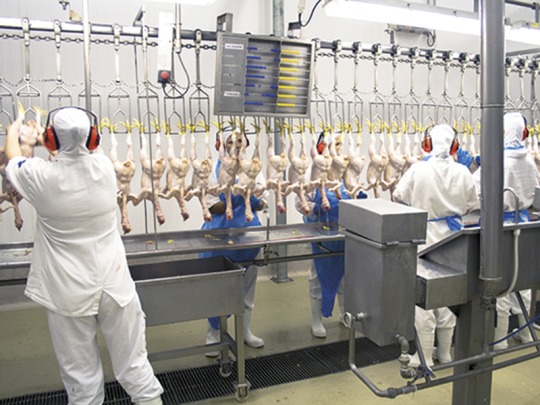
FAQs on cleaning and disinfection in the poultry industry
Ensuring perfect hygiene in the poultry industry is crucial, especially in slaughterhouses and poultry cutting plants. To achieve this, it is important to apply strategies to control pathogenic microorganisms to ensure that poultry meat is safe for the consumer, as well as to reduce the presence of microorganisms that reduce the shelf life of the […]

Cleaning and disinfection in the poultry processing sector
The poultry sector plays an important role in Europe not only as a meat supplier but also culturally and economically. Plenty of European dishes include chicken or turkey as an ingredient. The poultry meat consumption across the European Union reached 11.817 million metric tons in 2022. The EU produced an estimated 13.2 million tons of […]

EFSA annual report reveals overall increase in zoonoses and foodborne disease outbreaks
Food hygiene and safety remain paramount in the food industry despite the turbulent times we live in. Food industries are trying to save costs in order to cope with rising raw material and energy prices and maintain margins. But in spite of all this mumbo-jumbo, the hygiene component, consisting of the cleaning and disinfection of […]

How does the supply crisis and rising costs affect food safety?
Food safety remains the top priority Energy, raw materials, transport, consumption, prices… Everything has soared in recent months almost by surprise. Global markets are in the midst of a deep supply crisis, which has led to a sharp rise in the cost of raw materials and energy. An atypical situation that comes after two years […]
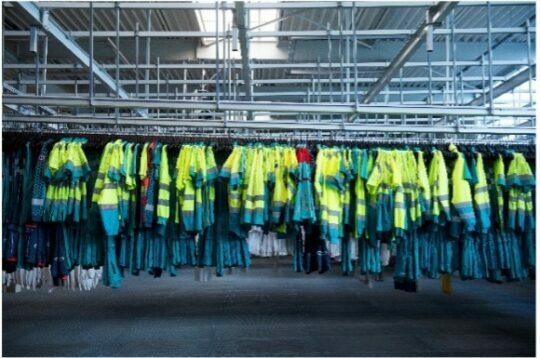
Washing workwear at home, a risky business
Washing professional clothing at home may seem like a simple and obvious solution. Whether for workwear, chefswear, hospital uniforms… In reality, however, scientific publications indicate that textiles can be a carrier of infections, especially in times of Corona. That is why it is important to understand why workwear should be washed in a professional laundry […]
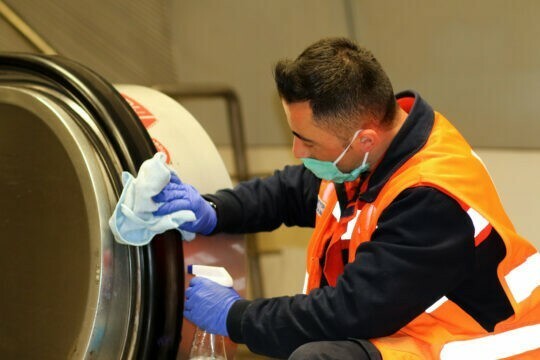
Cool solution for PPE lengthens textile life
A recent study in Europe has shown that the personal protective equipment (PPE) segment is growing fast in the total market for textile rental services, due to increasing public interest in risk prevention. Fulfilling its role as an innovator, Christeyns had already jumped on the bandwagon in 2016 with the launch of its ‘Cool Chemistry […]