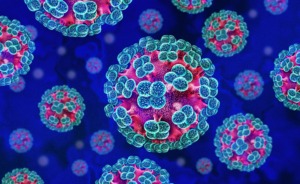
Hantavirus outbreak: peracetic acid offers effective disinfection
The recent hantavirus cluster on a cruise ship in the South Atlantic — reported by ECDC with seven cases including three fatalities across passengers from 23 nationalities — has reignited the conversation around effective surface disinfection. In our latest blog, we explore why peracetic acid remains one of the most reliable tools to break viral transmission chains in healthcare and laboratory settings.
Hantaviruses are zoonotic viruses primarily transmitted through contact with infected rodents, but the current outbreak involves the Andes virus (ANDV) — the only known hantavirus with documented limited human-to-human transmission. In closed environments such as cruise ships, hospitals or shared transport, secondary transmission becomes a real concern, making rigorous disinfection protocols essential.
Peracetic acid offers a uniquely strong profile for this challenge: rapid action, broad-spectrum efficacy against encapsulated viruses, no toxic residues, and environmental safety thanks to its breakdown into water, oxygen and acetic acid. Backed by EN 14476 testing and over 30 years of Christeyns expertise, our peracetic acid-based products — including the MIDA® CHRIOX range for food applications and Peracid Forte for textile disinfection — support healthcare facilities, laboratories and industrial customers in maintaining the highest hygiene standards.
As a leading European producer of peracetic acid and a member of the Peracetic Acid Registration group (PAR), Christeyns stands ready to support health authorities and industries worldwide with proven, science-based disinfection solutions.
👉 Read the full blog article here
For technical guidance on product selection and application protocols, contact our team of experts.